Save 15% on your first order!

Inflammation & Ageing
The importance of anti-inflammatory lifestyle for longevity
Siwar Ala
2/5/20263 min read
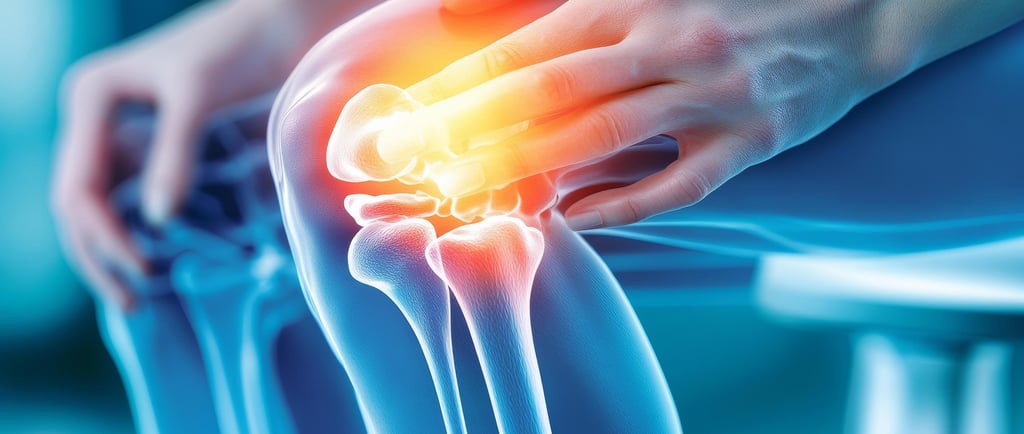
In today's fast-paced world, the quest for longevity has become a common aspiration. People are increasingly seeking ways to not only extend their lives but also enhance the quality of those years. One crucial yet often overlooked factor in achieving optimal health and longevity is inflammation. Understanding the importance of lowering inflammation can be a game changer in your journey towards a longer, healthier life.
What is Inflammation?
Inflammation is a natural response from the body to protect itself against harmful stimuli, such as pathogens, damaged cells, or irritants. Acute inflammation is a short-term process, where the body mobilizes its immune system to help heal tissue damage. This might manifest as redness, swelling, or heat in a specific area of the body. However, chronic inflammation is a different beast altogether. It persists over an extended period and can lead to numerous health issues, including various chronic diseases.
The Link Between Inflammation and Chronic Disease
Research has shown that chronic inflammation is one of the root causes of a multitude of diseases, such as heart disease, diabetes, obesity, and even cancer. When inflammation becomes chronic, it can cause cells to become dysfunctional, leading to the degeneration of tissues and the advancement of diseases.
1. Heart Disease: Chronic inflammation in the arteries can lead to plaque buildup, increasing the risk of heart attacks and strokes.
2. Diabetes: Inflammation affects insulin resistance, a key factor in the development of Type 2 diabetes.
3. Obesity: Fat tissue produces inflammatory signals that can lead to a cycle of increased inflammation and weight gain.
4. Cancer: Inflammation can also foster an environment conducive to cancer cell growth, promoting tumor development.
Why Lowering Inflammation is Essential for Longevity
To achieve longevity, it is crucial to mitigate the factors that contribute to chronic inflammation. By lowering inflammation, you can enhance your overall health, reduce the risk of chronic diseases, and improve your quality of life in your later years.
1. Enhancing Immune Function
A well-regulated immune system plays a vital role in maintaining health. Chronic inflammation often hampers immune function, making the body more susceptible to infections and illnesses. By focusing on anti-inflammatory strategies, you can support your immune system, allowing it to function optimally and protect you as you age.
2. Protecting Against Disease
By reducing chronic inflammation, you potentially decrease the risk of developing major diseases. This gives you a better chance of living a longer, healthier life free from life-threatening ailments, allowing you to enjoy the things you love more fully.
3. Improving Quality of Life
When inflammation is controlled, the body tends to function better overall. This can lead to improved energy levels, better mood regulation, and enhanced physical mobility. You can enjoy your golden years with vitality, engaging in activities that bring joy instead of being hindered by pain or illness.
How to Lower Inflammation
Now that we understand the importance of lowering inflammation for longevity, it’s essential to explore practical ways to achieve this. Here are several evidence-based strategies to help you reduce inflammation and promote a longer life:
-Adopt an Anti-Inflammatory Diet
Your diet is a powerful tool for fighting inflammation. Focus on incorporating whole, nutrient-dense foods that are known for their anti-inflammatory properties:
- Fruits and Vegetables: Aim for a rainbow of fruits and vegetables in your daily meals; they’re packed with antioxidants that neutralize free radicals.
- Healthy Fats: Include sources of omega-3 fatty acids, such as fish (salmon, mackerel), walnuts, and chia seeds. These healthy fats have been shown to lower inflammation.
- Spices and Herbs: Turmeric and ginger are renowned for their anti-inflammatory effects. Adding these to your meals can be both flavorful and beneficial.
- Whole Grains: Choose whole grains like quinoa, brown rice, and oats instead of refined carbohydrates, which can spike inflammation.
2. Exercise Regularly
Physical activity has well-documented anti-inflammatory effects. Moderate, regular exercise can help lower inflammatory markers. Aim for at least 150 minutes of moderate aerobic exercise per week, along with resistance training. Activities like walking, swimming, cycling, or yoga can contribute to better health.
3. Prioritize Sleep
Inadequate sleep can aggravate inflammation. Aim for 7-9 hours of quality sleep each night. Establishing a regular sleep schedule, creating a relaxing bedtime routine, and limiting screen time before bed can all help improve sleep quality.
4. Manage Stress
Chronic stress is a significant contributor to inflammation. Incorporating stress-management techniques such as mindfulness, meditation, deep-breathing exercises, or yoga can help mitigate stress levels.
5. Stay Hydrated
Proper hydration is essential for maintaining optimal bodily functions. Water helps flush toxins from the body and can aid in reducing inflammation.
6. Avoid Inflammatory Triggers
Be mindful of lifestyle factors that may increase inflammation, such as smoking, excessive alcohol consumption, and the consumption of processed foods high in sugars and unhealthy fats.
Conclusion
In conclusion, lowering inflammation is not just about addressing specific health issues but is vital for enhancing overall longevity and quality of life. By adopting a lifestyle centered around anti-inflammatory practices, you can significantly improve your health, reduce the risk of chronic diseases, and enjoy a longer, more vibrant life. The benefits are profound and interconnected; when you invest in reducing inflammation, you are investing in your future health and well-being. So take charge of your health today—your future self will thank you.
Brand
Explore our sleek website template for seamless navigation.
Contact
Newsletter
info@healthyepicafe.com
+34 650 662 725
© 2026. All rights reserved.